Pricing for different event types
Pricing changes with the event because shoppers, pitch fees and buying habits differ. A weekly farmers' market rewards steady prices and regular customers, a festival suits quick, easy purchases, and a car show suits products linked to the theme. Adjust by event type.
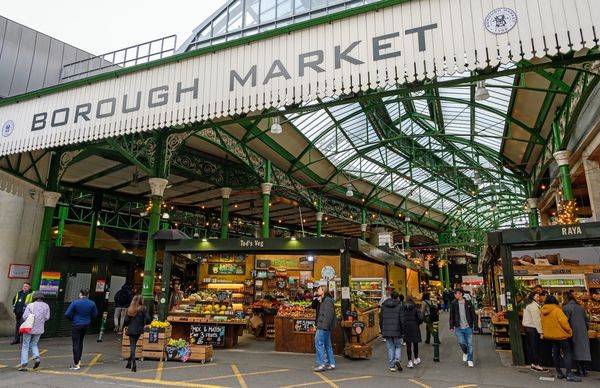
Why the event type matters
Shoppers go to each type of event for different reasons. They bring different budgets and spend different amounts of time at each stall. Your price needs to suit the people attending as well as cover your costs.
Farmers' markets and regular markets
Regular markets build on repeat custom. Shoppers see your prices week after week and compare them with neighbouring stalls. Consistent, clearly displayed prices and good quality tend to work here. Pitch fees are often modest and predictable, which makes your costs easier to plan. Regulars also notice changes, so make any price rise small and explain it if asked.
Festivals and large events
Festival visitors often buy on impulse and want quick service. Pitch fees may be higher and some organisers use percentage fees, so check the terms and work out your break-even first. Small, simple items and clear prices help when queues form. Round numbers speed up service, which matters when many people want to buy at the same moment.
See our guide to trading at festivals and events.
Car shows and motorsport events
Visitors at automotive events often respond to products connected to the subject. Ask the organiser about the audience and what other stalls sell. Our hub on motorsport and automotive events covers these in more depth. Some visitors stay for hours, so a range with a lower-priced item and a premium item gives them a choice.
Adjusting prices between events
Keep a core range at a steady price and test changes on a small number of lines. Record what sells at each event so you can compare. Do not assume a price that worked at one event type will work at another.
- Check the pitch fee and its structure.
- Estimate attendance and competing stalls.
- Compare prices of similar items on the day.
- Adjust your stock mix to the audience.
- Recalculate your break-even for each event.
Keep your costs in view
Whatever the event, the pitch fee, travel and payment charges still need covering. Read the guide to pitch fees and the guide to working out your break-even before you book.
Frequently asked questions
Should I charge more at a festival than at a market?
Costs and shopper behaviour differ, so many traders review prices by event. Work out your break-even for each event first and compare with what similar stalls charge.
How do I know what shoppers will pay at an event?
Walk the event or ask the organiser and regular traders. Look at what similar stalls charge and record your own sales to learn over time.
Is it worth changing my stock for different events?
Often yes. Matching your range to the audience at each event can help your sales and reduce unsold stock.
Do I need different prices for card and cash?
Check the terms of your payment provider and the rules that apply before you charge different prices. Many traders keep one price for both.
Marquees for larger events
Race meetings and large shows often call for more cover than a single gazebo. Gala Tent makes modular marquees for festivals and events.
Useful pages on our sister sites
Event Industry Trader is published by Gala Tent. These pages from Gala Tent and the wider Gala group go further on the kit, branding and payments covered here.
Where to check the rules
Rules vary by council and by event. Confirm requirements with the organiser and the relevant authority before you act.