Pitch fees explained
Pitch fees are set by whoever runs the market or event. In eleven published 2026 to 2027 schedules read on 6 November 2026, council market stalls mostly cost between about £13 and £50 a day, while a two-day food festival pitch cost £540 to £840. Casual traders pay more than regulars, and electricity is usually extra.
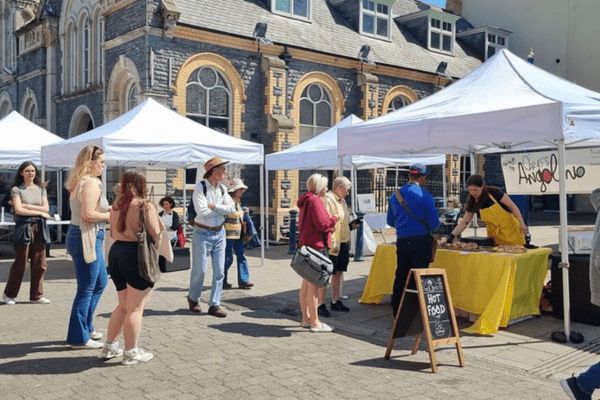
What a pitch fee pays for
A pitch fee is the charge for the space you trade from, set by the council, town council or private operator that runs the market or event. For markets it is a recurring charge for each trading day. For festivals and shows it is usually a single fee for the whole event, often paid in instalments.
Park Insurance, writing for event organisers, lists venue hire, equipment, insurance, first aid and licence fees among the costs of putting an event on, and suggests charging stallholders for their pitch as one way to cover them. Understanding that helps when comparing fees: a pitch that includes power, security or a marquee is a different product from a bare space on tarmac.
Eleven published fee schedules compared
The table collects fees from nine councils and two other operators, each read on 6 November 2026. Each row shows a headline fee for a standard single stall or pitch of the trader type shown, so the rows are comparable in broad terms but not identical. Follow the link to each schedule for the full list, since many include discounts, add-ons and other markets.
| Operator | Fee type | Published fee | Period and notes |
|---|---|---|---|
| Camden Council | Casual trader at farmers, international or themed markets, per trader per day | Hot food £18.56, other goods £12.73 | 1 April 2026 to March 2027. Other temporary markets: non-hot food £28.49 Monday to Saturday, hot food £33.42. |
| Lancaster City Council, Festival Market | Pop-up stall, per day | £30.00 for two tables, £20.00 for one table | 2026/27. Monthly stall £307.50 net, £369.00 including VAT. VAT treatment of pop-up fees not stated. |
| Biggleswade Town Council | Single pitch (10ft by 10ft) | £19 | From 1 April 2026. Double pitch £32. Christmas Fair food and drink vendors £41 a stall. |
| Sevenoaks Town Council | Blighs Market, per stall | £50.00 | 1 April 2026 to 31 March 2027, excluding VAT. Christmas Market also £50.00. Wednesday and Saturday markets are priced on application. |
| Ludlow Market | Regular market, per stall, Saturday | £19.00 low season, £23.50 high season | From 1 April 2026. Monday £10.50 or £14.00. Festival stall £41.50. Low season runs 26 December to 31 March. |
| Redditch Borough Council | Casual trader stall, per market day | Thursday £39.00, Saturday £41.50 | From 1 April 2026, charged at the standard VAT rate. Regular traders: Thursday £35.00, Saturday £37.25. |
| Colchester City Council | Street trading pitch, per day | 2m by 2m £20, 3m £25, 3m by 6m £40 | April 2026 to March 2027. Mains electric hook-up £5.00 a day. |
| Hinckley and Bosworth Borough Council | Casual trader, per stall per day | Saturday £31 (Zone A) or £15.50 (Zone B), Monday £20 (Zone A) | Page last updated 1 April 2026, with no effective date shown. Check with the council. |
| North Yorkshire Council, Northallerton market | Per metre of frontage, per day | Casual £7.70 a metre (minimum £30.80), regular £5.70 a metre (minimum £22.80) | 2026 to 2027. Minimum frontage 4 metres. 16 amp electricity £5.17 a day. |
| Herefordshire Council, Commercial Street retail market | Casual single stall, per day | Wednesday £38, Saturday £45 | From April 2026. Regular single stall £33 and £39. Electricity £7 for lights, £12 for cooking. |
| Abergavenny Food Festival | Two-day festival pitch, 3m by 3m outdoors | £540 produce, £690 small concessions, £840 street food, caterers and wet alcohol | 2026 terms and conditions. Extra frontage £170 a metre at the Brewery Yards and the Castle. |
Three ways fees are built
A flat fee per stall
Most small markets charge one price for a standard stall. Biggleswade Town Council lists £19 for a single 10ft by 10ft pitch, Sevenoaks Town Council lists £50 a stall at Blighs Market, and Redditch Borough Council prices each market day by trader type. Flat fees are the easiest to budget, because you know the cost before you go.
A rate per metre of frontage
North Yorkshire Council prices its Northallerton pitches by frontage. Its published schedule sets a minimum of four metres, with anything wider charged in half-metre steps, and applies the same rates to bench stalls, gazebos and trailers. A trader with a wide display pays more than one with a compact stall, so measure your set-up before you book.
In Gala Tent's experience, pitches at events are sold either per space, for example 3m by 3m or 8m by 10m, or by frontage. With a frontage pitch, such as a 3m by 12m plot, you pay for 3m of frontage. Check which method an organiser uses, because it changes how you compare quotes.
Size bands and seasons
Colchester City Council prices by pitch size, from £20 for 2m by 2m to £40 for 3m by 6m. Herefordshire Council prices single, double and triple stalls, so a Wednesday casual trader pays £38, £70 or £93 depending on size. Ludlow Market splits its year into a low season from 26 December to 31 March and a high season from 1 April to 25 December, and charges more in the high season.
Casual, regular and new trader rates
Councils generally charge casual traders more than regular ones, which rewards commitment. Redditch Borough Council lists Saturday at £41.50 for a casual trader and £37.25 for a regular. Herefordshire Council lists £45 and £39 for the same distinction on its Saturday market. Hinckley and Bosworth Borough Council offers a 25% discount on a second stall and 50% on a third for licensed traders.
New-trader offers can cut the cost of testing a market. Redditch Borough Council's schedule offers half the casual fee for four continuous weeks, for new traders between January and November. Herefordshire Council lists a new starter rate of £28 on Wednesdays and £30 on Saturdays for the first four weeks from January to September, rising to £43 and £48 from October to December. Redditch also adds a £6 surcharge to casual and seasonal December fees, refunded if the trader attends in January.
Ask the market office whether any new-trader rate exists before you book, since it is often not shown on the main fee page.
Festival and event pitches
Festivals and shows tend to charge a single fee for the event, set by the organiser. Abergavenny Food Festival's 2026 terms list £540 for a produce pitch, £690 for small concessions and £840 for street food, caterers and wet alcohol sales at the Lower Brewery Yard and the Castle. A covered Market Hall pitch is priced at £700 for produce only.
The same document sets a payment schedule: 50% of the pitch fee as a first deposit, the balance a few weeks later and service fees such as electricity after that. It also requires £5 million of public liability and product liability insurance, with employers' liability where appropriate. Organisers of other events set their own terms, so read the trader terms before you pay a deposit.
Some events may also need a Temporary Event Notice, which GOV.UK lists at £21. That is normally an organiser's cost, but confirm who applies.
Extras on top of the pitch fee
- Electricity: Colchester lists a £5.00 a day mains hook-up, North Yorkshire Council £5.17 a day for 16 amps, and Herefordshire Council £7 for lights or £12 for cooking.
- Waste and security: Lancaster City Council lists a monthly security fee of £40 net for a single stall at its Festival Market.
- Frontage, depth and extra stalls: Abergavenny charges £170 a metre of extra frontage, and Hinckley discounts second and third stalls.
- VAT: Sevenoaks quotes fees excluding VAT, Lancaster shows net and gross prices for monthly stalls, and Redditch states that its fees carry standard-rate VAT.
If you are VAT registered, VAT shown on a pitch invoice may be reclaimable. HMRC's VAT Notice 742 says a market pitch licence is normally exempt unless the operator has opted to tax, so many pitch fees carry no VAT at all. Our guide on whether to register for VAT explains the thresholds.
A worked example: what a pitch fee means for sales
A pitch fee has to be covered by the profit on your sales, so the useful question is how much you must sell to pay for it. The formula is simple: sales needed equals the pitch cost divided by your gross margin, where gross margin is the share of each sale left after the cost of the goods.
| Pitch | Fee plus electricity | Assumed gross margin | Sales needed to cover the pitch |
|---|---|---|---|
| Colchester 3m pitch with hook-up | £25 plus £5 = £30 | 50% | £30 divided by 0.50 = £60 |
| Herefordshire casual single stall, Saturday, cooking electric | £45 plus £12 = £57 | 40% | £57 divided by 0.40 = £142.50 |
| Abergavenny produce pitch | £540 | 40% | £540 divided by 0.40 = £1,350 |
The margins are assumptions chosen to show the arithmetic. Use your own margin from your price list, and add fuel, parking and card fees for the full picture. Our break-even guide shows the whole calculation.
Questions to ask before you pay
- Is the fee per day, per week or per event, and does it include VAT?
- What is the charge for casual trading compared with a regular booking?
- Is there a new-trader rate, and how long does it last?
- How is the pitch measured, and what does extra frontage cost?
- Is electricity, storage, security or waste collection charged separately?
- What is the deposit, when is the balance due and what happens if the event is cancelled for weather?
- What insurance level and documents does the organiser require?
What to do next
- Pick three markets or events you could realistically trade at.
- Find each operator's current fee schedule and read the add-ons.
- Enter the fee, electricity and travel for each into your break-even sum.
- Ask the market office about new-trader rates and deposit terms.
- Book the cheapest pitch that still passes your break-even test, then record your takings.
- Review after three events and keep, drop or move pitches.
Council fees are reviewed each year, usually from April, so recheck the schedule before every new season. Where a decision depends on the exact figure, confirm with the council or organiser.
Frequently asked questions
How much does a market stall cost per day?
In the schedules read on 6 November 2026, a standard single stall mostly cost between about £13 and £50 a day. Camden listed £12.73 for a casual non-hot-food trader, Biggleswade £19 for a single pitch, Herefordshire £45 for a casual Saturday stall and Sevenoaks £50 for Blighs Market. Check each council for current rates.
Why do casual traders pay more than regular traders?
Councils reward commitment. Redditch lists Saturday at £41.50 for a casual trader and £37.25 for a regular, and Herefordshire lists £45 and £39. Regular traders book ahead, usually by direct debit, which gives the market a steadier income. New-trader discounts exist at some markets.
Are pitch fees charged with VAT?
It depends on the operator. Sevenoaks quotes market fees excluding VAT, Lancaster shows net and VAT-inclusive prices for monthly stalls and Redditch says its fees carry standard-rate VAT. Check the wording on each schedule, and note that a VAT-registered trader may be able to reclaim VAT on a pitch fee.
What do festival pitches cost?
Abergavenny Food Festival's 2026 terms priced a two-day 3m by 3m outdoor pitch at £540 for produce, £690 for small concessions and £840 for street food, caterers and wet alcohol. A 50% deposit was due in May. Other events set their own fees, so read the trader terms.
Do I pay extra for electricity?
Usually. Colchester lists a £5.00 a day mains hook-up, North Yorkshire Council £5.17 a day for 16 amps, and Herefordshire Council £7 for lights or £12 for cooking. Some festival schedules put electricity in a separate service fee payable later. Ask what the fee includes before you book.
Can I negotiate a pitch fee?
Published council fees are set by schedule, so the room to negotiate is small. What you can ask about is new-trader rates, discounts for extra stalls or regular bookings, and deposit terms. Redditch, Herefordshire and Hinckley all publish some form of discount, so ask the market office what applies.
Gazebos built for regular pitches
Once a pitch is confirmed, the stall needs to fit it. Gala Tent makes market stall gazebos for traders who set up week after week.
Useful pages on our sister sites
Event Industry Trader is published by Gala Tent. These pages from Gala Tent and the wider Gala group go further on the kit, branding and payments covered here.
Where to check the rules
- GOV.UK: VAT on land and property (Notice 742)
- Camden Council: Trading fees and charges
- Lancaster City Council: Festival Market stall fees 2026/27
- Biggleswade Town Council: Market stall fees 2026/27
- Sevenoaks Town Council: Market fees and charges 2026 to 2027
- Ludlow Market: Market fees 2026/27
- Redditch Borough Council: Market fees 2026
- Colchester City Council: Colchester Market pricing
- Hinckley and Bosworth Borough Council: Getting a stall on Hinckley Market
- North Yorkshire Council: Northallerton market pitch fees
- Herefordshire Council: Market stalls
- Abergavenny Food Festival: 2026 terms and conditions
- Park Insurance: Festival planning checklist
Rules vary by council and by event. Confirm requirements with the organiser and the relevant authority before you act.