Handling price objections
When a customer says it is too expensive, stay friendly, ask what they are comparing it with and explain what the price includes. Offer a smaller or cheaper option if you have one. Cutting the price straight away teaches customers to haggle, so only discount when you have chosen to.
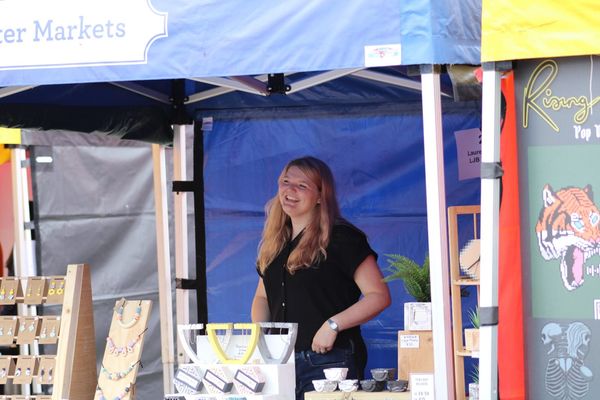
Listen first
A price comment is often a question in disguise. The customer may be comparing with a mass-produced item, may have a fixed budget or may want reassurance that the product is worth it. A calm "What were you hoping to spend?" tells you which one applies.
Explain the value in plain words
Describe what the customer gets: the materials, how long it lasts, whether you made it yourself, and any guarantee you offer. Keep to facts you can stand behind. Personal selling is built on this kind of two-way conversation between seller and buyer.
Offer options
- A smaller size or simpler version at a lower price.
- A bundle where the unit price falls.
- A different product in the range that fits their budget.
- A note of your next event, if they want to think about it.
Sample phrases that stay friendly
- "I can see why you ask. It is made by hand from solid wood, so each one takes a while."
- "Would a smaller size suit you better? It is a little cheaper."
- "If you buy two, I can do them for a set price."
- "Take my card, and you can find me here again next month."
Decide your discount rules in advance
Work out before the day what you will accept, such as a multi-buy or an end of day deal. The pricing and costs hub explains how to check your margin. A rule you set calmly at home is easier to apply than a reaction to pressure at the stall.
A sign that shows the price and a short reason, such as "Hand poured in small batches", answers many objections before they are spoken.
Know when to hold your price
If you have checked your margin and the price is fair, you can hold it with confidence. Customers often respect a trader who knows what the product is worth. Losing one sale is better than making several that leave you out of pocket.
Let people walk away well
A customer who leaves with a smile may return. Hand over a card or a flyer with your details so they can find you again, and thank them for looking. Read more on this in the guide to building repeat customers at events.
Frequently asked questions
What should I say when a customer says it is too expensive?
Stay friendly, ask what they are comparing it with and explain what the price includes. Offer a cheaper option if you have one.
Should I haggle at a market stall?
It is your decision. Many traders set a small number of fixed offers, such as a multi-buy, and hold their prices otherwise.
Is it worth dropping the price at the end of the day?
Some traders do, especially with stock that will not keep. Work out your margin first so a late discount still covers your costs.
How do I justify a higher price than the shop down the road?
Describe what is different about your product, such as materials, origin or quality, and let customers handle it. Stick to facts you can prove.
Gazebos built for regular pitches
Once a pitch is confirmed, the stall needs to fit it. Gala Tent makes market stall gazebos for traders who set up week after week.
Useful pages on our sister sites
Event Industry Trader is published by Gala Tent. These pages from Gala Tent and the wider Gala group go further on the kit, branding and payments covered here.
Where to check the rules
- Wikipedia: personal selling
- GOV.UK: Price Marking Order 2004 government guidance
- Wikipedia: customer retention
Rules vary by council and by event. Confirm requirements with the organiser and the relevant authority before you act.