Selling alcohol at events
Selling alcohol at a one-off event in England or Wales needs authorisation under the Licensing Act 2003, usually a temporary event notice (TEN). As of November 2026, GOV.UK lists a £21 fee, fewer than 500 people and a maximum of 168 hours. At many events the organiser holds the TEN, so ask first.
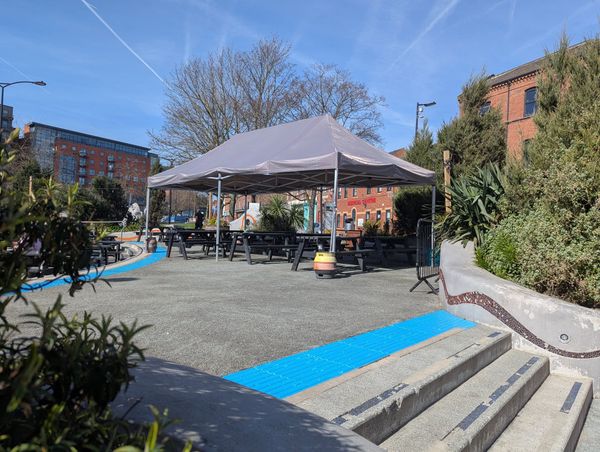
Who needs authorisation to sell alcohol at an event
Selling alcohol is a licensable activity under the Licensing Act 2003. At a venue with a premises licence, sales happen under that licence. At an unlicensed site, or when an event goes beyond what an existing licence allows, a temporary event notice can authorise the sales. NCASS, the independent caterers' association, describes TENs as covering small, ad hoc events with fewer than 500 people present at any time, and says events above those limits need a premises licence.
The activity has a wide scope. North Somerset Council lists selling alcohol by retail and also selling tickets for an event that states alcohol is free among the things that need authorisation. If your plan involves bar sales, a ticketed tasting or a drink included in an entry price, ask the licensing team how it is treated.
This guide covers England and Wales. Scotland and Northern Ireland have their own systems, summarised near the end.
What a temporary event notice is
A TEN is a notice given to the licensing authority, normally the council, that lets licensable activities take place at a one-off event. The Licensing Act 2003 requires the person giving the notice, called the premises user, to be an individual aged 18 or over. The notice must come with the prescribed fee.
GOV.UK's TEN page for Newark and Sherwood says only individuals can apply and organisations cannot. Hinckley and Bosworth Borough Council adds that you cannot apply on behalf of another person and that you do not need a personal licence or a premises licence to give a TEN.
The September 2026 section 182 guidance issued under the Act says there is no requirement for a designated premises supervisor in relation to a TEN, and that sales authorised by a TEN do not need authorising by a personal licence holder.
TEN limits and fee at a glance
| Item | Limit | Where it is published |
|---|---|---|
| Fee | £21 per notice | GOV.UK TEN pages for Sunderland and for Newark and Sherwood |
| People present | Fewer than 500 at any time, including staff | GOV.UK; section 100 of the Licensing Act 2003 |
| Length of event | No more than 168 hours (7 days) | GOV.UK; section 100 of the Act |
| Gap between events at the same premises | At least 24 hours | GOV.UK; section 101 of the Act |
| Notices per person per year | 5, or 50 with a personal licence | GOV.UK TEN pages |
| Late notices per person per year | 2, or 10 with a personal licence, counted within the totals above | GOV.UK TEN pages |
| Notices per premises per year | Up to 15, with total event length no more than 21 days | GOV.UK TEN pages |
Councils repeat these figures on their own pages. Cardiff Council and North Somerset Council both list the £21 fee, and Cardiff also gives a maximum of 499 people present at any one time. North Somerset says the £21 is non-refundable in all cases, including when a notice is withdrawn, invalid or met with a counter notice. Park Insurance's festival checklist also lists a TEN at £21, though the page dates from 2017, so confirm the live fee with your council before budgeting.
You may see a limit of 12 notices per premises quoted elsewhere. NCASS's TEN page, last modified in January 2023, gives 12. Section 68 of the Deregulation Act 2015 raised the yearly maximum in section 107 of the Licensing Act 2003 from 12 to 15 from 2016, and GOV.UK's current TEN pages give 15, so this guide uses 15. The 21 day total for a premises is unchanged.
Notice periods and what happens if someone objects
| Type | When the council must receive it | Objections |
|---|---|---|
| Standard TEN | At least 10 clear working days before the event | Police and environmental health have 3 working days to object. If an objection is unresolved, a hearing takes place no later than 24 hours before the event. |
| Late TEN | No earlier than 9 and no later than 5 clear working days before the event | An objection from police or environmental health makes the late notice invalid, and the event cannot go ahead. |
GOV.UK's Sunderland page explains that clear working days do not include the day the council receives the application or the day of the event, and Hinckley and Bosworth Borough Council adds that weekends and bank holidays are excluded. Section 100A of the Act sets the same windows, and section 102 requires the council to acknowledge a notice by the end of the first working day after receipt. Spelthorne Borough Council adds that there is no tacit consent, so the event cannot go ahead until the council acknowledges the notice.
Worked example
Take an event on Saturday 19 June 2027, with no bank holidays in the run-up. Counting back ten clear working days from the Friday before gives Monday 7 June as the first of them, so the council must receive a standard TEN no later than Friday 4 June 2027. A late TEN could be received from Monday 7 June (nine clear working days) to Friday 11 June (five clear working days). A late notice uses up one of your late allowances, which is only 2 a year without a personal licence, so treat it as a back-up.
The premises user can withdraw a notice. The Act says they may withdraw by telling the council no later than 24 hours before the event period begins. If police or environmental health object to a standard notice, GOV.UK says the licensing committee can approve it, approve it with conditions or reject it, and appeals go to the magistrates' court within 21 days.
If you are a stallholder at someone else's event
Most traders are not the premises user. Section 100 of the Act says any alcohol must be supplied by or under the authority of the premises user, so a stallholder usually sells under the organiser's notice. Lichfield District Council's street trading policy says anyone serving or selling alcohol at an event needs a TEN, sent to the licensing team and police at least 10 working days in advance.
Councils differ on how a market with several drinks sellers is treated. The North Somerset and Spelthorne pages do not say whether each trader needs a separate TEN, and both point to their licensing teams for questions about traders. Before you plan any alcohol stock, ask the organiser and the licensing team the following:
- Whose name is on the TEN or premises licence, and is my stall covered by it?
- Which hours, areas and drinks does it allow?
- Who checks age on sales, and what ID does the organiser accept?
- Can I see a copy of the notice or licence, and where will it be displayed on the day?
Get the answers in writing and keep them with your insurance and food paperwork. Our guide to trading at festivals and events covers the other documents organisers ask for.
Age checks and the rules on selling to under-18s
Trading Standards guidance on Business Companion says selling alcohol to anyone under 18 is an offence under the Licensing Act 2003. It describes a £90 fixed penalty as an alternative to prosecution, and says repeated unlawful sales at the same premises can lead to closure notices, licence suspension or review.
The same guide says a seller has a defence if they believed the buyer was 18 or over and took reasonable steps to check, or if nobody could reasonably suspect from appearance that the buyer was under 18. It lists a PASS-scheme card with the hologram, a passport and a photocard driving licence as acceptable proof of age when the photo matches. It says a digital photograph of a driving licence is not acceptable and that you should refuse the sale if you are in doubt.
Business Companion's guide covers England and Wales only.
Penalties for selling without authorisation
Councils are direct about this. GOV.UK's Sunderland page says carrying on a licensable activity without a TEN, or allowing premises to be used for one, can bring a fine, up to six months in prison, or both. Trafford Council's guidance puts it as an offence under section 136 of the Licensing Act 2003. Making a false statement on an application can also lead to a fine.
Display matters too. GOV.UK's pages say to keep the TEN at the event and display a copy where it is easy to see.
Scotland and Northern Ireland
- Scotland has occasional licences, which play the role of the TEN. Aberdeenshire Council's guidance says premises licence holders, personal licence holders and representatives of voluntary organisations can apply, the fee is £10, and applications should be lodged no later than six weeks before the event. It sets annual limits for voluntary organisations and a maximum of 14 days per licence.
- Northern Ireland offers one-off permission to eligible licensed premises. NI Business Info says an occasional licence lets those premises sell alcohol away from their own site at a special event for up to six days at a time.
A trader in either country should ask the local licensing authority what applies. The England and Wales TEN rules above do not carry over.
What to do next: a checklist
- Ask the organiser whether alcohol will be sold at the event and who holds the TEN or premises licence.
- Ask whether your stall is covered and get that in writing, with the hours and areas allowed.
- If you plan to give the notice yourself, check you are 18 or over and apply as an individual.
- Count ten clear working days back from the event and send the notice with the £21 fee well before that date.
- Check the annual limits before you plan a series of events.
- Agree an age check routine with everyone serving: what ID you accept and when you refuse.
- Keep a copy of the notice at the stall and display it where it can be seen.
- Confirm your public liability insurance covers alcohol sales. Our guide to public liability insurance for traders explains what organisers ask for.
This guide is general information. Check with the licensing team at the council for the event, or a licensing adviser, where a decision depends on it.
Frequently asked questions
How much does a temporary event notice cost?
As of November 2026, GOV.UK's TEN pages list a fee of £21 per notice. North Somerset Council says the fee is non-refundable in all cases, including when a notice is withdrawn or invalid. Fees are set nationally, but confirm the figure on your own council's page before you apply.
How far ahead do I need to give a TEN?
A standard TEN must reach the council at least 10 clear working days before the event. A late TEN can be given no earlier than 9 and no later than 5 clear working days before, and an objection from police or environmental health makes a late notice invalid. Late notices are limited to 2 a year without a personal licence.
How many people can attend an event under a TEN?
Fewer than 500 people at any one time, including staff, according to GOV.UK. The event can last no more than 168 hours, which is seven days. Events that go beyond these limits need a premises licence from the council, so plan that application much earlier.
Can I sell alcohol on my stall if the organiser has a TEN?
Possibly, but only if the organiser's authorisation covers you. The Licensing Act 2003 says alcohol must be supplied by or under the authority of the premises user, so ask who is named on the notice and whether your stall is included, then get the answer in writing.
Can a company or event organiser apply for a TEN?
No. GOV.UK says only individuals aged 18 or over can give a TEN, and businesses, companies and organisations cannot apply. A named person acts as the premises user, so an organiser usually puts one individual forward. Ask who that person is and whether your stall is covered by their notice.
What are the rules in Scotland and Northern Ireland?
Both differ from England and Wales. Scotland uses occasional licences, and Aberdeenshire Council lists a £10 fee and a six week lead time. Northern Ireland offers occasional licences to eligible licensed premises for up to six days. Ask the local licensing authority before planning any alcohol sales.
Marquees for larger events
Race meetings and large shows often call for more cover than a single gazebo. Gala Tent makes modular marquees for festivals and events.
Useful pages on our sister sites
Event Industry Trader is published by Gala Tent. These pages from Gala Tent and the wider Gala group go further on the kit, branding and payments covered here.
Where to check the rules
- GOV.UK: temporary events notice (Sunderland)
- GOV.UK: temporary events notice (Newark and Sherwood)
- Legislation.gov.uk: Licensing Act 2003, temporary event notices
- GOV.UK: Licensing Act 2003 section 182 guidance, September 2026
- NCASS: when should you get a Temporary Events Notice
- North Somerset Council: temporary event notice
- Spelthorne Borough Council: temporary event notices
- Lichfield District Council: street trading at an event
- Cardiff Council: temporary event notices
- Trafford Council: temporary event notices guidance
- Business Companion: sale of alcohol
- Aberdeenshire Council: occasional licences guidance
- NI Business Info: selling alcohol
- Hinckley and Bosworth Borough Council: temporary event notices
- Park Insurance: festival planning checklist
- Legislation.gov.uk: Deregulation Act 2015, section 68
Rules vary by council and by event. Confirm requirements with the organiser and the relevant authority before you act.