Social media for event traders
Post before an event to say where you will be, during it to show your stall and products, and afterwards to thank customers and share what sold. Pick one or two platforms where your customers spend time and post on a regular schedule.
Choose one or two platforms
Facebook and Instagram suit many market traders, because local groups and photo posts reach nearby shoppers. Use the platform where your customers already are. A well-kept profile on one platform serves you better than five neglected ones. Set up a business profile or page instead of using a personal account, so that your posts, contact details and opening information stay together in one place.
Before the event
- Announce the event name, date, location and your pitch number.
- Show a new product or a preview of your display.
- Tag the organiser and the venue so their followers see your post.
- Say what time you open and whether you take cards.
- Give a reason to visit, such as a launch, a taster or a limited batch.
During the event
- Post a photo of the finished stall as soon as you set up.
- Share short videos of products being made or used.
- Use stories or short posts to say what is selling well.
- Ask customers if they are happy to be in a photo, and tag them with their agreement.
After the event
Thank the organiser and your customers, share your best photo and name the next date you will be trading. A post that lists your upcoming events gives followers a reason to look for you again. Pin or feature the post so that new visitors to your profile see it first. If a customer posts about your stall, thank them and share it with their permission, because recommendations from real shoppers carry weight with their friends.
Build a simple routine
- Choose two posting days each week and one extra post on event days.
- Keep a folder of photos taken at each event.
- Write captions that include the product, the place and the date.
- Reply to comments and messages promptly, as customers often ask about stock and opening times.
- Look at which posts drew the most response and repeat them.
Set aside an hour each week to plan posts. Write a few captions in advance, choose photos from your folder and note the events coming up. Batching makes it easier to keep posting on busy trading weeks, and it keeps the tone of your posts consistent. Leave room for a spontaneous post if something good happens at the stall.
Grow your following
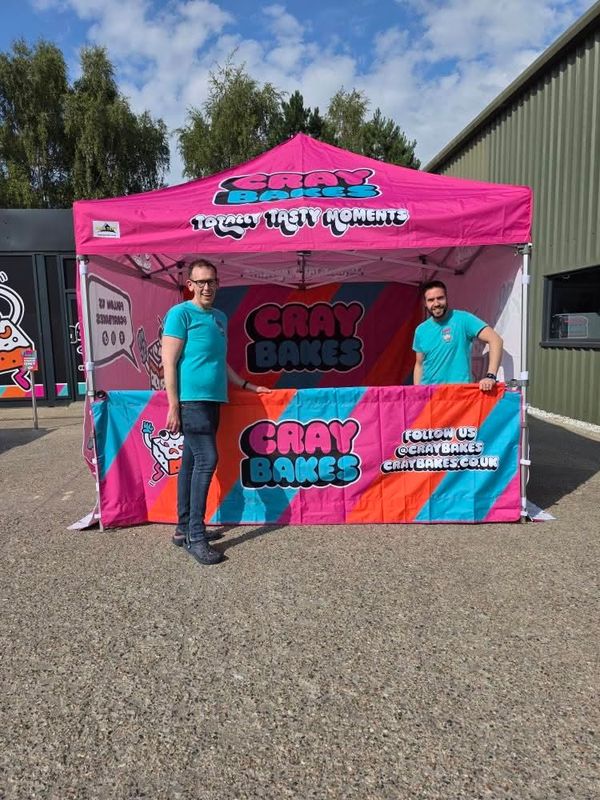
Put your social media handle on your banner, price cards and bags. Invite customers to follow you at the stall, and use a short QR code if that is easier. Our guide to photographing your stall for social media helps with the pictures, and the guide to collecting customer details covers building a mailing list.
Check the rules
If you run a prize draw or promotion, read the platform's own rules for promotions first. Keep a record of the dates and details of any offer you advertise. Keep prices and stock claims accurate so that customers who arrive at the stall find what the post described.
Frequently asked questions
Which social media platform is best for market traders?
Facebook and Instagram suit many traders, because local groups and photo posts reach nearby shoppers. Choose the platform your own customers use.
How often should a market trader post?
A steady routine of two or three posts a week, plus posts on event days, is easier to keep up than daily posting.
What should I post if I have no new products?
Share behind-the-scenes photos, customer reactions, your event calendar and how your products are made or used.
Should I tag the organiser in my posts?
Yes. Tagging the organiser and venue helps their followers find you, and many organisers share traders' posts.
Gazebos built for regular pitches
Once a pitch is confirmed, the stall needs to fit it. Gala Tent makes market stall gazebos for traders who set up week after week.
Useful pages on our sister sites
Event Industry Trader is published by Gala Tent. These pages from Gala Tent and the wider Gala group go further on the kit, branding and payments covered here.
Where to check the rules
- Wikipedia: social media marketing
- ICO: marketing and data protection in detail
- Wikipedia: pop-up retail
Rules vary by council and by event. Confirm requirements with the organiser and the relevant authority before you act.