Street food stall ideas for UK traders
Street food ideas fall into hot cooked-to-order food, ready-to-eat cold food, drinks and bakery or sweet items. Each brings different paperwork. Every food stall needs registering with the council, and hot food adds gas, electrical and fire checks. Organisers then add their own hygiene rating and insurance minimums.
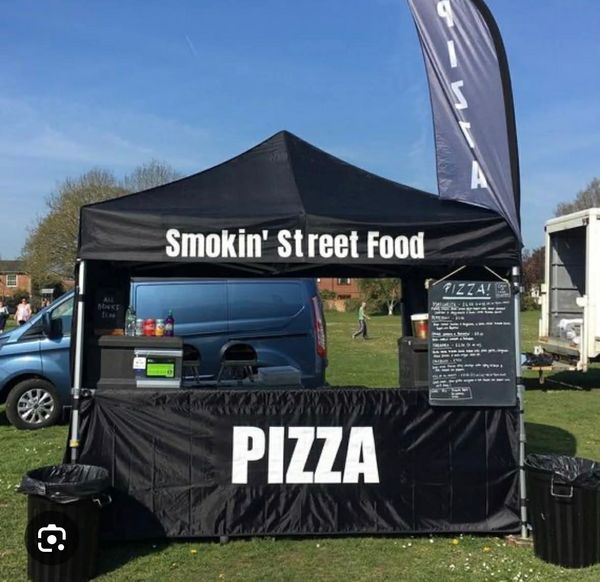
Street food ideas sorted by what they demand
Most lists of street food ideas start with the menu. The sorting that matters for a new trader starts with what each idea needs to be allowed on a pitch. Hot food cooked in front of the customer brings gas or electrical equipment and fire precautions. Cold ready-to-eat food and bakery lines bring fewer fixed checks but still bring registration and allergen information. Drinks add a licensing question if alcohol is involved.
This guide groups ideas that way and draws the requirements from council pages and the terms of real markets and festivals. The sources reviewed give no reliable sales figures for any menu, so none are quoted here. Test an idea at a small event before spending on a unit.
This is general guidance, not legal advice. Check the rules with the council that covers your base and the organiser of each event.
Hot cooked-to-order food
This group covers burgers, wraps, noodles, curries, hot sandwiches, loaded fries, grilled meat and similar. It has the heaviest equipment load. Shropshire Council says in its requirements for mobile food businesses that a Gas Safe registered engineer must check gas installations and appliances, that appliances need an annual check with a gas safety certificate, and that LPG bottles must be stored securely.
West Suffolk Council's street trading consent guidance names the document as an annual commercial mobile catering gas safety certificate (CP44) from a suitably authorised Gas Safe engineer.
Organisers add electrical and fire conditions. Stafford Borough Council's farmers market conditions ask for a current PAT certificate on electrical or gas equipment and a suitable fire extinguisher for anyone cooking on site. Blyth Town Council's food trader application form asks for fire extinguishers, a first aid kit, a fire risk assessment and a photograph of the unit, and says generators must run on a fuel other than petrol.
Cold and ready-to-eat food
Salads, sandwiches, poke-style bowls, dips, filled rolls, fruit cups and similar ideas avoid gas, though they need cold storage and clean preparation. They count as food businesses for registration and allergen purposes. Where an organiser will not allow open flames or allows only battery power, this group can be the easier fit. Knutsford Town Council's 2026 Christmas market terms say instant consumable stalls must supply their own power and that only gas or battery is permitted on site, which shows how a single event can narrow the options.
Ask the organiser early what power, if any, comes with the pitch. Whitby Town Council told caterers in its 2026 festival call for traders to state their electricity needs at least one month before the event.
Drinks, bakery and sweet items
Coffee, hot chocolate, juices, doughnuts, waffles, crepes, brownies and bagged sweets make up this group. Hot drinks and cooked batter need the same fire and gas checks as other hot food. Baked goods and drinks still carry the 14 allergen rules and, for anything packed on your premises before sale, ingredient labelling.
Alcohol is its own question. Stafford Borough Council asks producers selling alcohol at its markets to hold a personal alcohol licence and give market staff a copy in advance, and applies a Challenge 25 policy. Arundel Town Council's farmers market criteria say the council arranges the temporary event notice for market days. Ask who holds the licence before you plan an alcohol line.
Registering the business and the hygiene rating
GOV.UK's starting a food business guidance (read on 6 November 2026) says you must register at least 28 days before you start trading, that registration is free and cannot be refused, and that businesses working from a mobile unit or temporary premises need to register. It says to register with the local authority where each premises is located, using the Food Standards Agency's online registration service.
Wakefield Council's food business registration page says registration is free, that a paper form should reach the food safety team at least 28 days before opening, and that mobile traders register with the council where the business is based, where the stall or van is kept and where food is stored overnight. It also says registration cannot be refused and that an inspection follows.
Shropshire Council gives the same 28 day timing for most food businesses and says you need a documented food safety management system, such as the FSA's Safer Food Better Business pack. It recommends a Level 2 food hygiene course for all food handlers.
Hygiene rating minimums vary by organiser. As of November 2026, Redditch Borough Council's market food trader application declines ratings below 4, while Blyth Town Council's form asks for a rating of 5. Essential Food Hygiene sells a how to start a street food business course whose outline covers legal setup and licensing, mobile food safety, waste, water and pest control, and equipment and logistics. Its page listed the course at £12.99 plus VAT on 6 November 2026.
Allergen information at the stall
GOV.UK's guidance on allergen labelling lists the 14 allergens as celery, gluten-containing cereals, crustaceans, eggs, fish, lupin, milk, molluscs, mustard, tree nuts, peanuts, sesame, soya and sulphur dioxide or sulphites above 10mg per kg or litre. For loose food it says the business must give allergen information on request, either verbally or in writing, and must say where written confirmation can be found if the answer is given verbally.
Food Standards Scotland's allergen labelling guidance says information on loose food must be available before the customer buys and can sit on a menu, chalkboard or shelf label. For street food, a printed allergen grid on the serving hatch handles the common questions and shows an inspector a system exists.
Street trading consent, markets and event pitches
Many street food traders work private events, festivals and markets where the organiser sets terms. A fixed or mobile pitch on a public street can need a street trading consent instead. West Suffolk's guidance says applicants must be at least 17, need a basic DBS certificate, colour photographs of the unit, public liability insurance of at least £5 million, the CP44 gas certificate, a waste carrier arrangement and landowner permission, and must give at least 28 days' notice. It lists a total fee of £409, of which £250 is paid upfront and is non-refundable. Fees and rules differ by council, so treat this as one example.
Shropshire Council adds that you need the landowner's permission to trade and that some towns require a street trading licence from the council or a parish or town council. Check with the licensing team for the area you want.
A selection framework for choosing your first idea
Score each idea against the same questions. The table below sets out what the sources reviewed show for each group. Where the sources are silent, the cell says to ask.
| Idea group | Registration and rating | Gas, power and fire | Allergens | Constraints to ask the organiser about |
|---|---|---|---|---|
| Hot cooked-to-order | Register 28 days ahead (Wakefield, Shropshire). Rating minimum set by organiser (4 at Redditch, 5 at Blyth). | Annual gas safety certificate, PAT testing, extinguisher, fire risk assessment (West Suffolk, Stafford, Blyth). | Information on all 14 allergens before sale. | Power supply, generator fuel, pitch size, one vehicle behind the pitch (Blyth). |
| Cold and ready-to-eat | Same registration. Same rating minimums. | Often battery or no power. Cold storage needed. | Same duty. Prepacked-for-direct-sale items need an ingredient label. | Whether cold food is accepted in a pitch category, and what power is allowed. |
| Drinks | Registration if food is also sold. Check alcohol separately. | Hot drinks bring the same gas and fire checks. | Same 14 allergen duty, including milk, soya and sulphites. | Who holds the licence, personal licence rules, Challenge 25 (Stafford). |
| Bakery and sweet | Same registration. Rating minimums apply. | Fryers and griddles need the hot food checks. | Same duty. Flour, eggs and milk are all on the 14 list. | Whether the market wants bought-in or made-by-you goods. |
Pick the group where your equipment, paperwork and organiser requirements line up. A trader with gas safety paperwork can serve hot food at most events. A trader without it can start with cold or bakery lines and add hot food later.
Insurance and the paperwork pack
Organisers ask for public liability insurance, and the level varies. As of November 2026, Redditch asks for £5 million, Blyth asks for at least £10 million and Employers Liability if you have five or more staff, and Arundel asks for £5 million public liability and £5 million product liability plus Employers Liability normally at £10 million. Ask the organiser for the figure before you buy a policy.
Membership bodies publish their own cover. The National Market Traders Federation's key facts document (version 16, dated 22 February 2024) describes liability protection for members with public, product and employer's liability limits of up to £10 million each, and says cover depends on trading at locations an appropriate body has authorised. It is a summary and the full wording applies, so check the current version with the NMTF.
Keep one folder, paper and digital, with the registration confirmation, hygiene rating certificate, gas certificate, PAT certificate, insurance certificate, risk assessment, fire risk assessment and allergen grid. The related guide on what event organisers ask to see lists the usual requests.
What to do next
- Choose one idea group from the table and write down what it needs from this guide.
- Contact your council to register the business at least 28 days before you plan to trade.
- Book a Level 2 food hygiene course and set up a food safety management system.
- Get gas and electrical equipment checked and certificates issued before applying for pitches.
- Ask two organisers for their hygiene rating, insurance and power requirements for your idea group.
- Prepare an allergen grid for every menu item.
- Trade at one small event first and record what you learned before buying more kit.
Frequently asked questions
Do I need to register a street food stall with the council?
Yes, for food businesses the usual step is registration with the local council. Wakefield Council says it is free and that paper forms should arrive at least 28 days before opening. Mobile traders register where the business is based, where the stall or van is kept and where food is stored overnight. Check with your own council.
What food hygiene rating do I need for street food events?
It depends on the organiser. As of November 2026, Redditch Borough Council declines market food traders rated below 4, and Blyth Town Council asks for a rating of 5. Ask each organiser what they require before applying, as a new business may not have an inspection result yet.
Do street food traders need a gas safety certificate?
If you use gas, organisers and councils ask for one. Shropshire Council says gas appliances need an annual check by a Gas Safe registered engineer who issues a certificate. West Suffolk names the CP44 commercial mobile catering certificate in its street trading consent guidance.
Which allergens must I tell customers about?
GOV.UK lists 14: celery, gluten cereals, crustaceans, eggs, fish, lupin, milk, molluscs, mustard, tree nuts, peanuts, sesame, soya and sulphites above 10mg per kg or litre. For loose food you must give the information on request, and Food Standards Scotland says it must be available before purchase.
How much public liability insurance do I need?
The organiser sets it. Redditch asks for £5 million, Blyth Town Council for at least £10 million, and Arundel for £5 million public liability plus £5 million product liability. Confirm the figure with each organiser, and ask your insurer whether employers liability applies if you have staff.
Do I need street trading consent for every pitch?
Not for most private events and organised markets, where the organiser sets terms. A pitch on a public street can need consent from the council. West Suffolk lists a total fee of £409 and asks for 28 days' notice. Rules differ by council, so ask the licensing team.
Gazebos built for regular pitches
Once a pitch is confirmed, the stall needs to fit it. Gala Tent makes market stall gazebos for traders who set up week after week.
Useful pages on our sister sites
Event Industry Trader is published by Gala Tent. These pages from Gala Tent and the wider Gala group go further on the kit, branding and payments covered here.
Where to check the rules
- Shropshire Council: requirements for mobile food businesses
- Wakefield Council: register a food business
- West Suffolk Council: street trading consent guidance for new applicants
- Redditch Borough Council: market food trader application
- Blyth Town Council: food trader application form
- Stafford Borough Council: farmers markets conditions and guidelines
- Arundel Town Council: farmers market criteria guidance
- GOV.UK: allergen labelling
- Food Standards Scotland: allergen labelling
- Essential Food Hygiene: how to start a street food business
- GOV.UK: starting a food business
- Whitby Town Council festival call for traders, via This Is The Coast
- NMTF: key facts on liability protection for members
- Knutsford Town Council: Christmas market trader terms 2026
Rules vary by council and by event. Confirm requirements with the organiser and the relevant authority before you act.