How to attract customers to your stall
Customers stop at stalls they can understand in a few seconds. Make the sign clear, put your best product at the front, keep the layout open so people can step in, and greet passers-by with a short, friendly line. Small changes to these four things often make the biggest difference.
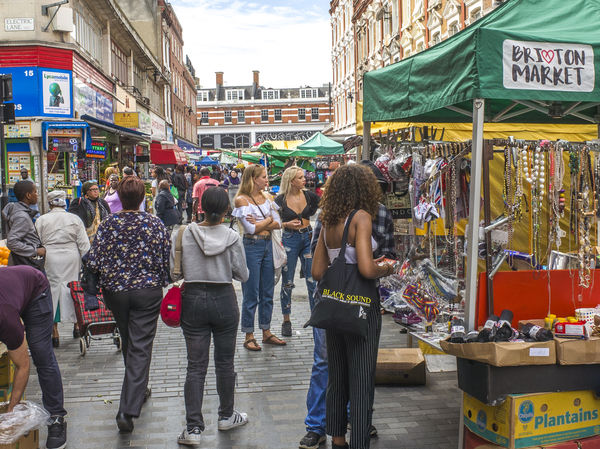
Say what you sell in one glance
Most visitors walk past at a steady pace and decide in moments whether to stop. A banner or sign that names the product in plain words helps them decide. Use large lettering, strong contrast and a short line such as "Handmade candles" or "Phone cases from £5" if the price is true for your range.
Check the sign from several metres away, at the height a walking customer would see it. If you cannot read it from there, make it bigger.
Put one hero product at the front
Choose the item that shows off your range best and place it at eye level near the front edge of the table. A clean, well-lit hero item gives people a reason to come closer. Rotate it through the day if you have several strong lines, and make sure its price is visible.
Keep the front open
A table across the whole front of the pitch can feel like a barrier. Many traders set the table back, or turn it at an angle, so customers can step into the stall and handle the products. Check the pitch rules first, because some organisers set a front line you must keep to.
Greet people without pressure
A smile and a simple "Morning, have a look around" works well. Stand beside the table, keep your phone in your pocket and let customers browse. Offer a fact or a sample once they pick something up, and answer questions in plain words.
Give people something to do
A product people can touch, try or watch being made slows them down. A short demonstration, a sample to hold or a simple choice, such as picking a colour, turns a glance into a conversation. Keep any demonstration safe and tidy, and follow the pitch rules on heat, power and food.
Use the full height and the position of the pitch
A printed canopy, side wall banner or hanging display makes the stall easier to spot from a distance. The guide to choosing a gazebo for a market stall covers canopy and side wall options.
If you can choose a pitch, a corner or a spot near an entrance or path junction often gets more passing trade. Ask the organiser or neighbouring traders when the busy periods start, and have the display full and ready before then.
Check the basics and adjust
- Is the sign straight, clean and readable?
- Is the front of the table full, with spare stock out of sight?
- Is the price visible on the hero product?
- Is there room for two or three people to browse at once?
Keep a simple note of what you changed and how the day went. Visual merchandising is a field of retail practice, and the same ideas apply at a market. Try one change at a time so you know which one helped.
Frequently asked questions
How do I get more people to stop at my market stall?
Make the sign easy to read, place a hero product at the front, keep the front of the stall open and greet people warmly. Then change one thing at a time and see what happens.
Should I stand behind or in front of my table?
Many traders stand beside or just in front of the table, so customers feel welcome to step in. Check the pitch rules in case the organiser sets a front line.
Do banners and signs really help?
A clear banner tells passers-by what you sell before they reach you. It is one of the simplest ways to draw people to the pitch.
Is it worth offering free samples?
Samples can start a conversation and let people try the product. Where food is involved, follow the food safety and allergen rules that apply to you.
Gazebos built for regular pitches
Once a pitch is confirmed, the stall needs to fit it. Gala Tent makes market stall gazebos for traders who set up week after week.
Useful pages on our sister sites
Event Industry Trader is published by Gala Tent. These pages from Gala Tent and the wider Gala group go further on the kit, branding and payments covered here.
Where to check the rules
Rules vary by council and by event. Confirm requirements with the organiser and the relevant authority before you act.