How to get a market stall
To get a market stall, find the markets you want, contact the market office or organiser, send your product details, photos and insurance certificate, and book a casual pitch to start. Council markets and private organisers each have their own application process.
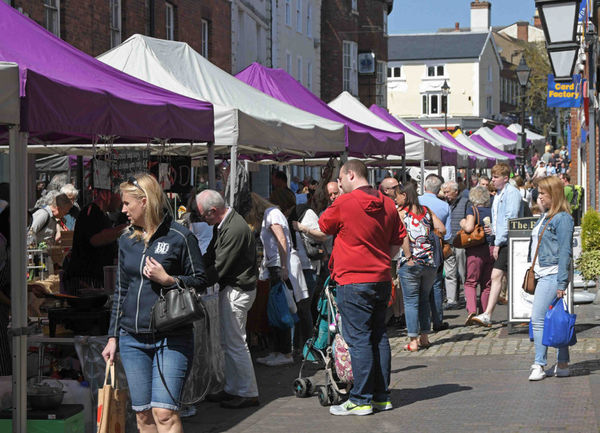
Decide what you will sell
Organisers allocate pitches to keep a market varied, so a clear product range helps your application. If you are still choosing, read choosing what to sell at events. Gala Tent also publishes pages on market stall ideas if you want inspiration.
Find the right market
Look at the markets near you, visit as a customer and note which have steady footfall and a good mix of traders. How to find events and markets lists where to look.
Contact the market office or organiser
For a council market, contact the market office, which allocates the pitches and explains its rules and fees. For a private market or event, find the organiser's trader page or email address. Ask what pitches are free, how fees are charged, what the application involves and how soon you would hear back. Keep a note of each reply so that you can compare markets side by side.
Prepare your paperwork
- A description of your product range, with photos of your stall or products.
- Your public liability insurance certificate.
- Food business registration and allergen information if you sell food.
- Any permission the organiser asks for, such as a risk assessment.
The guide to how to book a pitch at a market goes through what organisers ask for.
What organisers look for
Organisers balance the range of stalls and the quality of presentation. They tend to favour traders with a clear product, tidy and well-lit displays, fair prices and reliable paperwork. A short, friendly application that answers every question the organiser asks stands out, and so does a reply sent promptly when the organiser asks for more detail. If you sell something already well covered at the market, say what makes your product different.
Start with a casual pitch
Many markets let you book a casual pitch for a single day. It lets you test the market before you commit to regular days, and it shows the organiser how you trade. If the market has a waiting list for permanent pitches, ask how to join it.
If your application is declined
Organisers often turn down an application because a category is full, not because of the applicant. Ask whether there is a waiting list or a different day with space, and ask for feedback on your application. In the meantime, try other markets, and build your photos and trading record so the next application is stronger.
Check the legal position
Trading on the public highway normally needs consent from the council, and different rules apply in different parts of the UK. Read do I need a licence to trade and ask the organiser or council if you are unsure.
Prepare for day one
Confirm your arrival time and pitch number, plan your layout and run through your first market day checklist.
Frequently asked questions
How do I get a stall at my local market?
Contact the council market office or the market operator, ask which pitches are available and send the product and insurance details they request.
Is there a waiting list for market stalls?
Some popular markets keep waiting lists for permanent pitches. Casual pitches are often easier to get, so ask the market office.
Do I need experience to get a market stall?
Not usually. Organisers look for a clear product, good presentation and the right paperwork.
How far ahead should I apply?
It varies. Large events can fill early, and some local markets take bookings close to the day. Check the organiser's dates.
Gazebos built for regular pitches
Once a pitch is confirmed, the stall needs to fit it. Gala Tent makes market stall gazebos for traders who set up week after week.
Useful pages on our sister sites
Event Industry Trader is published by Gala Tent. These pages from Gala Tent and the wider Gala group go further on the kit, branding and payments covered here.
Where to check the rules
Rules vary by council and by event. Confirm requirements with the organiser and the relevant authority before you act.