Choosing what to sell at events
Choose a product that people can understand in a few seconds, that suits impulse buying, that fits a small pitch and that leaves a healthy margin after pitch fees. Test it with a small amount of stock at one or two events before you commit to more.
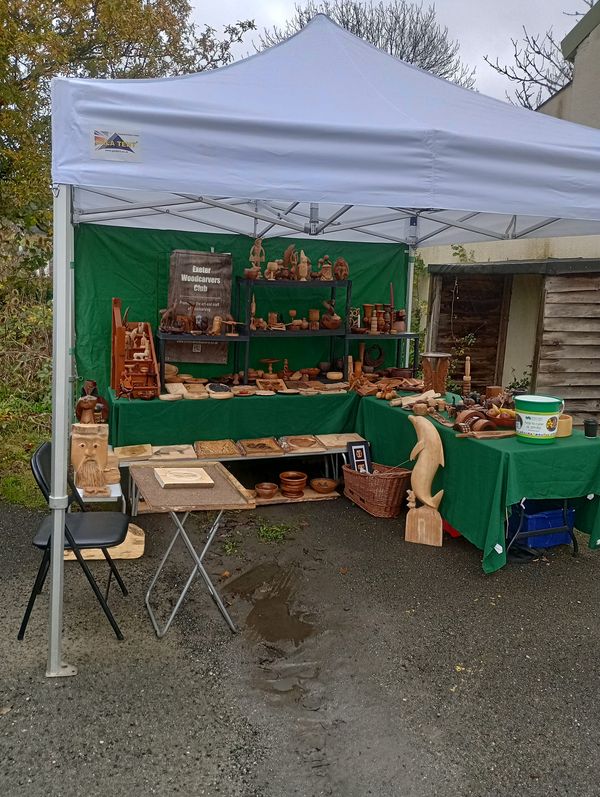
What makes a product work on a stall
Customers walk past a stall at a steady pace, so the product needs to explain itself quickly. The items that tend to do well are easy to see, easy to pick up and easy to carry home.
- A clear appeal that shows from a few metres away.
- A price that suits a quick decision.
- A size that fits on a table and in your vehicle.
- A reason to buy today, such as a handmade item, a local product or a seasonal line.
Match the product to the audience
Different events attract different crowds. A food festival, a craft fair and a car show draw different shoppers with different budgets. Visit events as a customer first and note which stalls attract a crowd and which stand empty.
Check the margin before you buy stock
Work out what each item costs you and what it sells for. Then take off the pitch fee, travel, packaging and payment charges for a typical day. If the margin is thin, a busy day can still leave you with little profit. The pricing and costs hub explains how to build this up.
Check the rules for your product
Some products need extra steps before you can sell them. Food usually means registering your food business with your local council. Alcohol, toys, cosmetics and electrical goods each have their own rules. Our guide to whether you need a licence to trade shows who to ask, and the insurance and compliance hub covers safety and cover.
Test before you commit
- Start with a small range and a small amount of stock.
- Book one or two local markets with modest pitch fees.
- Record what you sell, what you take and how many people stop at the stall.
- Ask customers what they were looking for and what they would pay.
- Drop the lines that do not sell and buy more of the ones that do.
Plan for the season
Demand moves through the year. Outdoor events run mainly in the warmer months, and winter brings Christmas markets with a different buying pattern. Keep a calendar of the events you plan to attend and choose stock to match it.
Once you have a product in mind, the guide to finding events and markets shows where to take it.
Frequently asked questions
What sells best at markets and events?
It depends on the event and the crowd. Items that are easy to understand, easy to carry and suited to impulse buying tend to do well. The best way to find out is to test a small range at a local market.
How do I test a product idea before buying lots of stock?
Buy a small amount of stock, book one or two low cost pitches and record your sales, takings and footfall. Use the results to decide what to reorder.
Do I need permission to sell certain products at an event?
Some products do. Food, alcohol and a few other categories have extra requirements, and the organiser may ask to see paperwork. Check with your local council and the organiser before you book.
Should I sell the same products at every event?
Not always. A range that works at a craft fair may need changing for a festival or a car show. Adjust your stock to the audience at each event.
Gazebos built for regular pitches
Once a pitch is confirmed, the stall needs to fit it. Gala Tent makes market stall gazebos for traders who set up week after week.
Useful pages on our sister sites
Event Industry Trader is published by Gala Tent. These pages from Gala Tent and the wider Gala group go further on the kit, branding and payments covered here.
Where to check the rules
Rules vary by council and by event. Confirm requirements with the organiser and the relevant authority before you act.