Profitable market stall ideas
The most profitable market stall ideas combine a healthy margin, a price people pay on impulse, stock that is cheap to carry and a reason for customers to return. Handmade gifts, take-home food, plants, personalised items and consumables all fit that pattern, once the costs are checked.
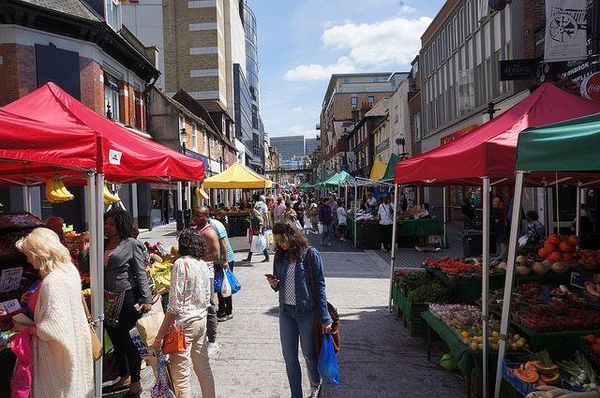
What makes a stall idea profitable
Profit comes from the gap between what a product costs you to make or buy and what customers pay, after pitch fees, fuel, insurance and payment charges. Ideas with a high margin per sale, low waste and easy restocking give you more room for a slow day.
Work through the costs with the guide to working out your break-even before you spend on stock.
Time also counts as a cost. An item that takes an hour to make needs a price that rewards the hour, so include your own time when you compare ideas. Items that you can batch, such as a run of candles or a tray of bakes, spread the effort across many sales.
Categories worth considering
- Handmade gifts and homewares, where a skilled maker can charge for the work.
- Food and drink to take home, such as preserves, baked goods and sauces.
- Plants, bulbs and cut flowers, which suit seasonal demand.
- Personalised items, where the customer chooses a name, colour or message.
- Consumables that people buy again, such as soap, candles and tea.
- Accessories and small clothing items that suit a compact display.
- Pet products and treats, which draw regular customers.
Each category suits a different trader. A maker with a skill can charge for the craft, while a reseller needs a supplier who offers fair trade prices and reliable delivery. Choose the idea that fits your skills, your free time and the space in your vehicle.
Traits to look for
- A clear margin on each item once packaging is included.
- A price point that suits an impulse purchase.
- Stock that stores and travels well in a car or van.
- Low spoilage, or a way to use what is left over.
- A reason to come back, such as a refill, a new season or a loyalty offer.
- A display that looks good on a table of standard size.
Seasonal lines can lift a stall without a new investment. A plant seller can add gift sets in autumn, and a baker can add festive flavours in winter. Keep a record of the weeks that sold well and plan stock around them.
Check the rules for your product
Some products carry legal duties. Food sellers register their food business with the local council, and the food business registration guide explains when. Soaps, balms and skincare, candles and toys each have product safety rules of their own, which the other guides in this hub cover. For any product you are unsure about, ask your local Trading Standards service before you buy stock.
Test before you commit
Book two or three pitches at different kinds of event and record the takings for each product line. A small range lets you see what sells without tying up cash. The guide to choosing what to sell at events sets out a method for testing an idea.
Gala Tent also publishes pages of market stall ideas on its own site, which you can read alongside these guides.
Keep the stall efficient
Profitable stalls tend to be easy to run. A simple layout, clear prices and a fast way to take payment keep queues short. The guide to taking card payments at events covers the options.
Where one event suits your range better than another, return to it. Regular presence builds familiarity, and customers who know you are more likely to come back and tell friends. The guide to building repeat customers at events offers practical steps.
Frequently asked questions
What is the most profitable thing to sell at a market?
No single product wins everywhere. Items with a good margin, low waste and repeat demand tend to do well. Test a small range at a few events and compare your takings.
Can I make money at a market stall with a low budget?
Yes. Many traders start with a small range and a modest pitch fee, then reinvest in the lines that sell. Our guide to the cost of starting out lists the items to price up.
Do I need to register to sell at a market?
It depends on what you sell and how you trade. Food sellers register with the local council, and all traders have tax duties. Check with the organiser and the relevant authority.
Gazebos built for regular pitches
Once a pitch is confirmed, the stall needs to fit it. Gala Tent makes market stall gazebos for traders who set up week after week.
Useful pages on our sister sites
Event Industry Trader is published by Gala Tent. These pages from Gala Tent and the wider Gala group go further on the kit, branding and payments covered here.
Where to check the rules
Rules vary by council and by event. Confirm requirements with the organiser and the relevant authority before you act.